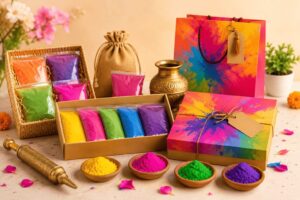
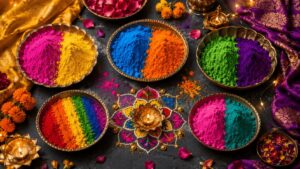
Holi, the vibrant festival of colors, symbolizes joy, unity, and the triumph of good over evil. Celebrated widely in India and increasingly across the globe, Holi has evolved into a global cultural phenomenon. However, with its growing popularity comes an important responsibility—ensuring that celebrations remain safe for people and the planet. This is where organic Holi colors and eco-friendly colours play a crucial role in transforming traditional festivities into sustainable global celebrations.
The Rise of Holi as a Global Festival
Over the past few decades, Holi has transcended geographical boundaries. From color runs in Europe to Holi-inspired music festivals in the United States, Australia, and Southeast Asia, the festival’s exuberant spirit has captivated people worldwide. Unfortunately, many of these celebrations have relied on synthetic chemical colors that pose risks to human health and the environment.
As awareness about sustainability grows, consumers are now seeking natural Holi colors, herbal gulal, and plant-based dyes that align with eco-conscious values. Organic Holi colours are emerging as the preferred alternative for responsible celebrations across the globe.
What Are Organic Holi Colors?
Organic Holi colors are made from natural ingredients such as flowers, herbs, fruits, vegetables, and plant extracts. Unlike chemical-based colors, they are free from toxic substances like lead, mercury, chromium, and synthetic dyes. These colors are biodegradable, non-toxic, and safe for skin, hair, and the environment.
Common natural ingredients used in organic Holi color include:
- Tesuflower (Palash) for orange hues
- Turmeric for bright yellow shades
- Neem and spinach leaves for green colors
- Beetroot and rose petals for pink and red tones
- Indigo plants for blue shades
These ingredients not only provide vibrant colors but also carry medicinal and skincare benefits rooted in Ayurveda and traditional herbal practices.
Why Chemical Colors Are Harmful
Synthetic Holi colors often contain industrial dyes, heavy metals, and mica powder. These substances can cause:
- Skin allergies, rashes, and itching
- Eye irritation and infections
- Hair damage and scalp issues
- Water pollution and soil contamination
When washed off, chemical colors enter water bodies, harming aquatic life and disrupting ecosystems. The environmental footprint of synthetic colors contradicts the celebratory essence of Holi. Switching to eco-friendly Holi colors significantly reduces these risks and promotes sustainable festivities.
Benefits of Using Organic Holi Colors
1. Skin and Hair Safety
Organic Holi colors are gentle on the skin and scalp. Since they are free from harsh chemicals, they reduce the risk of allergic reactions, dryness, and irritation. Many natural ingredients have cooling, antibacterial, and moisturizing properties, making them suitable for all age groups, including children.
2. Environmentally Friendly
Being biodegradable, organic colours dissolve naturally without polluting water or soil. They support eco-friendly Holi celebrations by minimizing waste and protecting biodiversity.
3. Sustainable Production
Most organic colors are produced using sustainable farming practices and ethical sourcing. This supports rural livelihoods and reduces carbon emissions associated with chemical manufacturing.
4. Cultural Authenticity
Using herbal gulal reconnects Holi celebrations with their traditional roots, honoring ancient practices that respected nature and human well-being.
5. Global Appeal
As sustainability becomes a universal value, organic Holi colors align perfectly with international environmental standards, making them ideal for global festivals and events.
Eco-Friendly Holi Colors and Global Sustainability Trends
The global shift towards sustainability has influenced consumer behavior across industries, including festivals and events. Many international organizers now prefer natural color powders for marathons, cultural events, and music festivals. Organic Holi colors meet global safety certifications and environmental regulations, making them suitable for international export and use.
Countries in Europe and North America, where environmental laws are strict, increasingly demand non-toxic color powders, vegan Holi colors, and cruelty-free festival colors. This trend has opened new opportunities for manufacturers and exporters of organic Holi colors from India and other regions.
Role of Organic Holi Color in Community Celebrations
Eco-friendly Holi celebrations foster a sense of collective responsibility. Schools, residential communities, corporate offices, and event organizers are adopting green practices by choosing organic colours, reducing water usage, and promoting waste management.
Community-driven Holi events using herbal colors encourage:
- Environmental awareness
- Safe celebrations for children and elders
- Cultural exchange with global participants
- Reduced post-festival cleanup impact
These practices set a positive example for future generations while preserving the festive spirit.
Organic Holi Colors in International Markets
The export of organic Holi color has seen steady growth due to rising global demand. Buyers look for:
- Skin-safe certifications
- Natural ingredient transparency
- Bright yet subtle color tones
- Sustainable packaging
Organic color powders are now used in international Holi festivals, yoga retreats, spiritual gatherings, and wellness events. Their association with health, mindfulness, and sustainability makes them appealing beyond traditional celebrations.
How to Identify Genuine Organic Holi Colors
When choosing organic Holi color, look for the following indicators:
- Ingredient lists with plant-based sources
- Absence of synthetic dyes and heavy metals
- Certifications for eco-friendliness or organic production
- Earthy fragrance instead of chemical smell
- Soft texture that dissolves easily in water
Avoid overly bright or glittery powders, as they often indicate chemical additives.
Sustainable Packaging and Zero-Waste Celebrations
Eco-friendly Holi celebrations go beyond colors. Sustainable packaging made from paper, cloth bags, or recyclable materials further reduces environmental impact. Many brands now offer plastic-free Holi color packaging, aligning with zero-waste initiatives.
Participants can also adopt practices such as:
- Using limited water
- Avoiding balloons and plastic accessories
- Cleaning up public spaces after celebrations
These small steps collectively create a significant positive impact.
Future of Organic Holi Colors
The future of Holi celebrations lies in sustainability, innovation, and inclusivity. As environmental awareness increases, organic Holi colors will become the standard rather than the alternative. Research into new plant-based pigments, improved color longevity, and scalable eco-friendly production methods continues to strengthen the industry.
Governments, NGOs, and cultural organizations are also promoting green festivals, encouraging the use of natural colors and responsible celebration practices worldwide.
Conclusion
Organic Holi colors represent a harmonious blend of tradition, health, and environmental responsibility. As Holi continues to be celebrated globally, the shift toward eco-friendly colours, natural gulal, and herbal color powders ensures that the festival remains joyful without causing harm to people or the planet.
By choosing organic Holi colours, individuals and communities contribute to safer celebrations, sustainable ecosystems, and a greener future. Celebrating Holi with eco-conscious choices not only preserves the essence of the festival but also spreads a powerful message of unity, respect for nature, and global responsibility.
Let the colors of Holi be vibrant, natural, and sustainable—celebrating life while protecting the world we share.